Trash to Cashback · A program by BEST

Your trash has value.
Your community keeps it.

Bring your sorted recyclables to a collection point near you. Earn Environmental Points on the spot. Redeem them as cashback at your neighbourhood stores — so the value of what you recycle stays in your community.

Sit back — let Rosa show you around A guided tour with a friendly Filipino voice — she walks you through everything, step by step. Perfect for all ages.

Saving the environment while helping the community — one recyclable at a time.

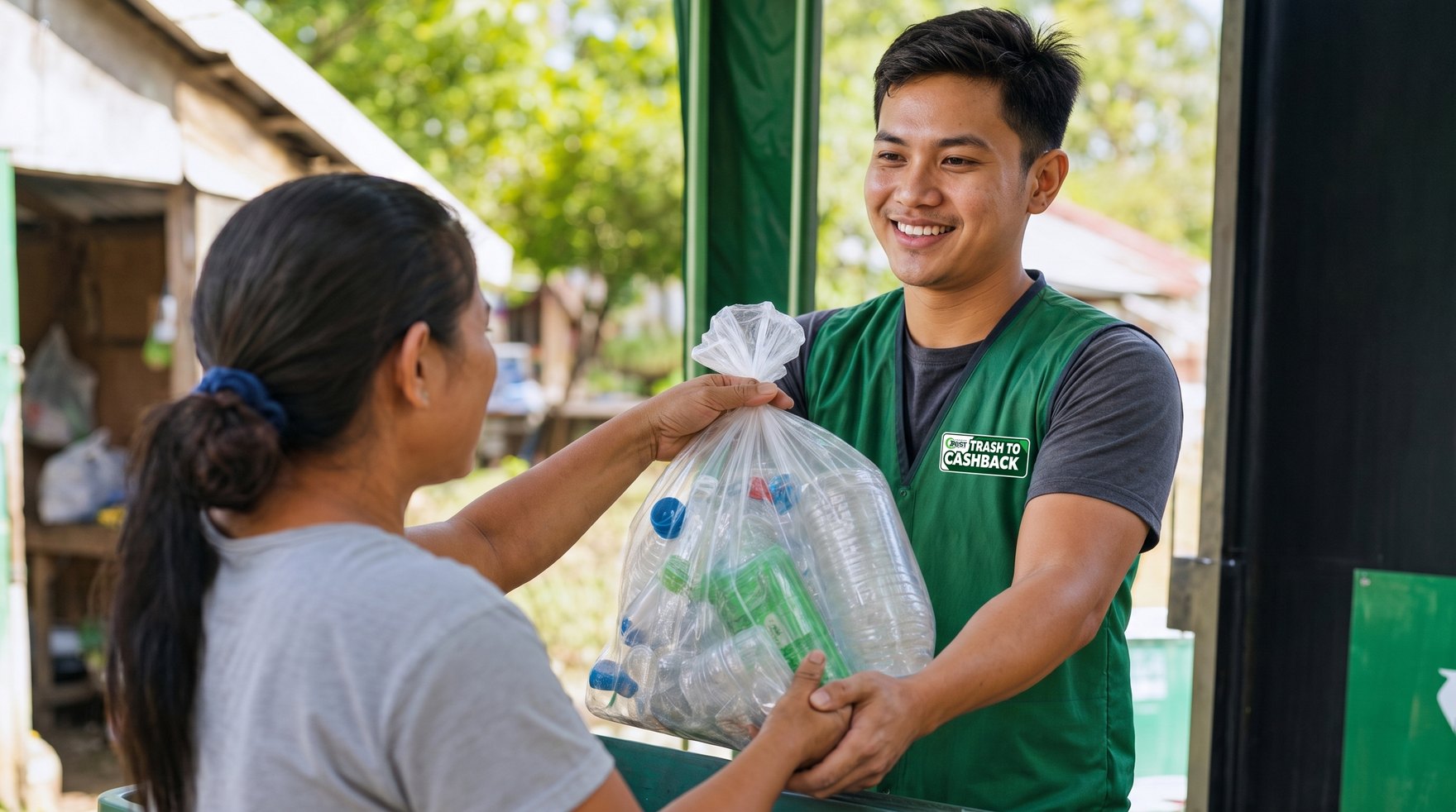
A resident hands a bag of sorted plastic bottles to an attendant at a community collection booth
The moment it all turns: sorted bottles become Environmental Points. Illustrative scene; all program figures on this page are measured.
STEP 1 · SORT

Separate your recyclables at home — paper, plastic, metal, glass. Clean and dry, in their own bags.

STEP 2 · EXCHANGE

Bring them to a collection point. Everything is weighed and recorded, and you earn Environmental Points instantly.

STEP 3 · REDEEM

Redeem points as cashback at partner sari-sari stores, pharmacies and neighbourhood shops.

The system, end to end

Five pillars carry every kilogram — from your kitchen to a new life as raw material.

Trash to Cashback is not a one-day drive. It is a complete loop, and each pillar exists because the one before it would fail without it.

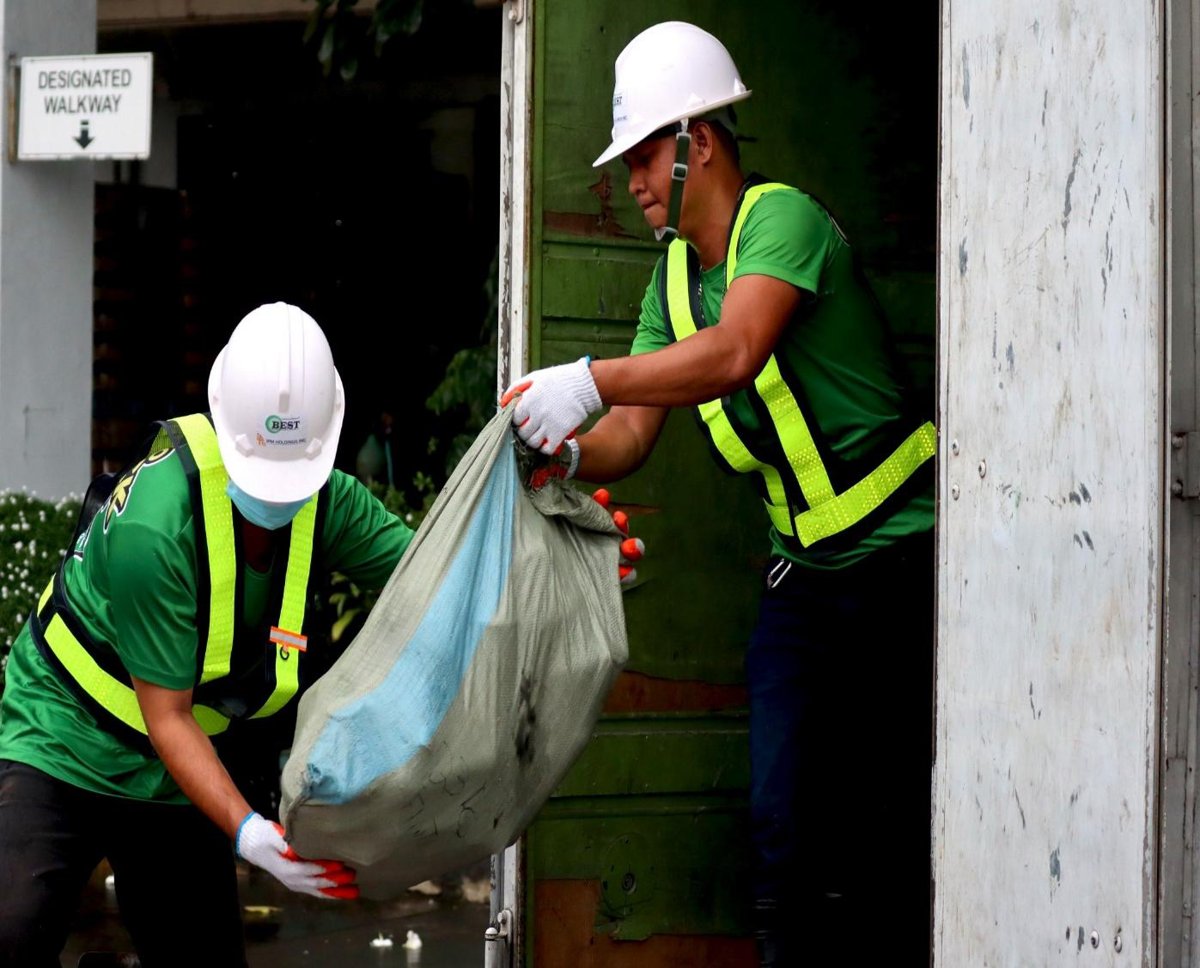
BEST crew in hard hats receiving a sorted bag at a doorway collection point
A designated area, containers, source-separated — collection in practice.
01

Segregate

It begins at home, at the point of origin

Every household separates its waste into paper, plastic, metal and glass — plus biodegradables and residuals kept apart. Sorting at source is the founding principle of the Ecological Solid Waste Management Act (RA 9003): materials separated at their origin stay clean enough to recycle, and the volume that needs collection and disposal shrinks.

The program's job is to make this easy: designated areas close to homes, clear containers, and a routine any family can keep.

Why it matters: mixed waste is garbage; separated waste is raw material. The difference is decided in your kitchen, not at the landfill.
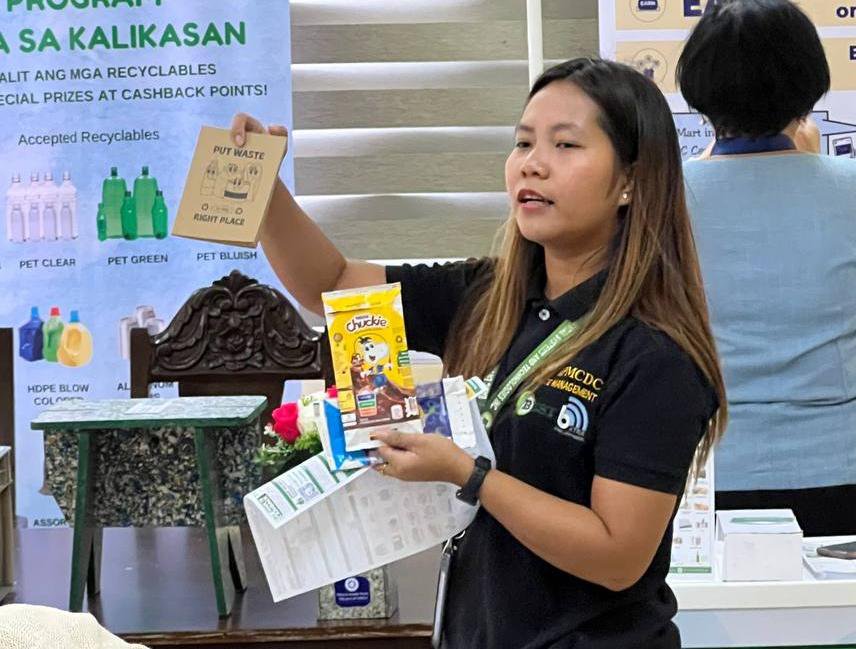
A program officer explains the exchange rate sheet to residents at a community booth
Rates explained at a community exchange point — everything weighed, everything recorded.
02

Exchange

Weighed, recorded, rewarded on the spot

Residents bring their sorted recyclables to a Trash to Cashback collection point in their own community — a booth at the barangay hall, a scheduled stop, an estate collection day. Each material is weighed and recorded, and the resident earns Environmental Points immediately, at posted per-kilogram rates.

Because every exchange is logged, the program knows exactly how much material each community recovers — which is what makes the results on this page measured, not estimated.

Environmental Points are earned per kilogram, per material — paper, plastic, metal and glass each have their own posted rate.
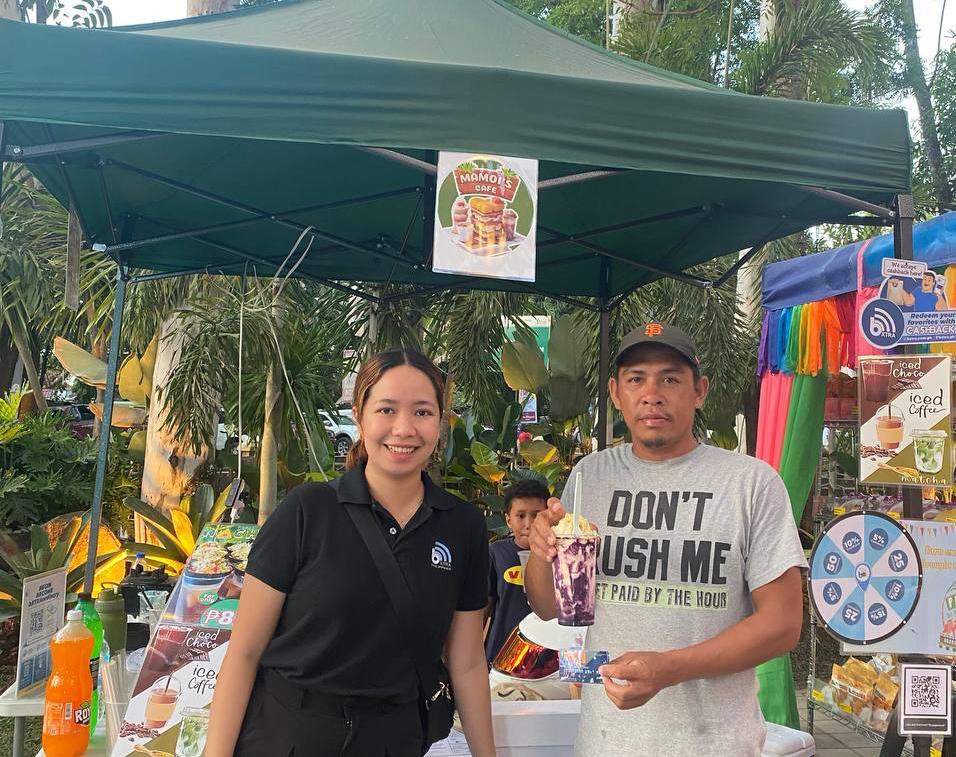
Residents at a Trash to Cashback booth beside a partner store redemption poster
Redemption at the neighbourhood level — where the value returns to the community.
03

Redeem

The pillar that changes behaviour

This is the heart of the program. Environmental Points are redeemed as cashback at local partner stores — the sari-sari store at the corner, the neighbourhood pharmacy, the local grocery. The reward is immediate, useful, and close to home.

And because redemption happens in neighbourhood stores, the value of recycling does not leave the community — it circulates back through local businesses, stimulating the local economy with every redeemed point.

Behaviour changes when the right habit is easy — and rewarded. Redemption is the reward that keeps households segregating, week after week.
Our aim: a partner store on every street.

We are actively partnering with more sari-sari stores, pharmacies, groceries and neighbourhood businesses — because every Environmental Point redeemed nearby stays in the community, turning recyclables into sales for local stores and savings for local families. That is socio-economic impact, street by street.

Own a store? Become a partner → bxtra-partner.pages.dev/partner-signup
The points-and-cashback rail is powered by bXTRA Philippines (bxtra.ph) — BEST's technology partner since the program began, connecting Environmental Points to the partner stores where they are redeemed. Cashback can also be redeemed online through bxtra.ph, the group's e-commerce storefront — from neighbourhood counters to nationwide delivery.
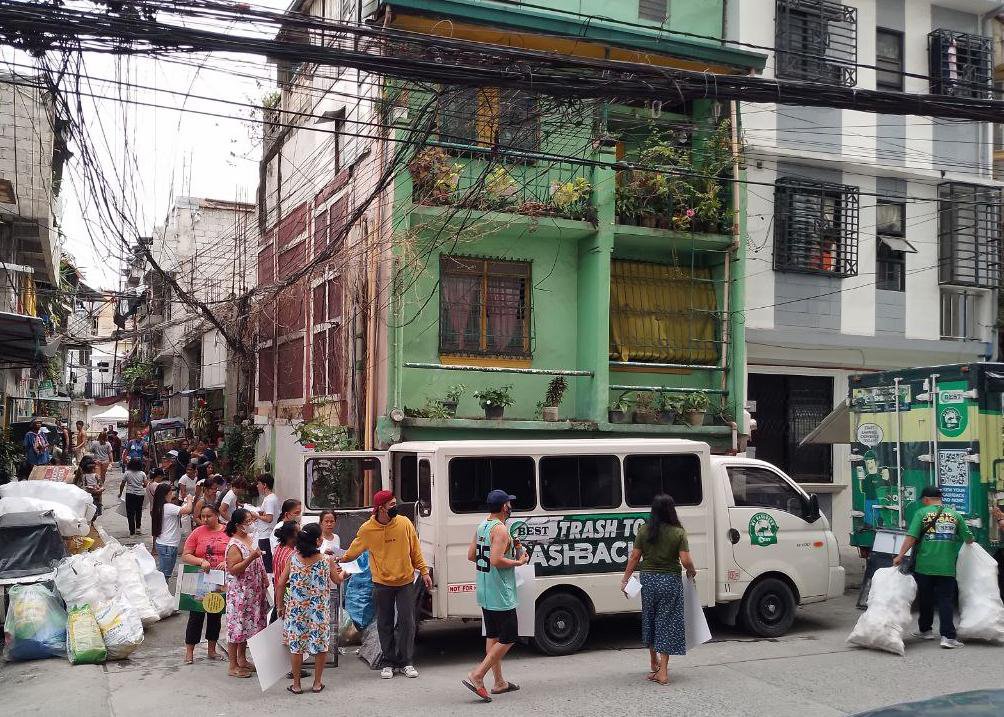
A Trash to Cashback van collecting sorted recyclables on a dense city street
A Trash to Cashback collection run — sorted materials stay sorted.
04

Collect

BEST hauls it — without undoing the sorting

From every collection point, BEST's crews and vehicles consolidate the sorted materials. The critical rule: collection preserves segregation. What residents separated is never re-mixed — different streams keep their own containers, schedules and handling all the way to the recovery facility.

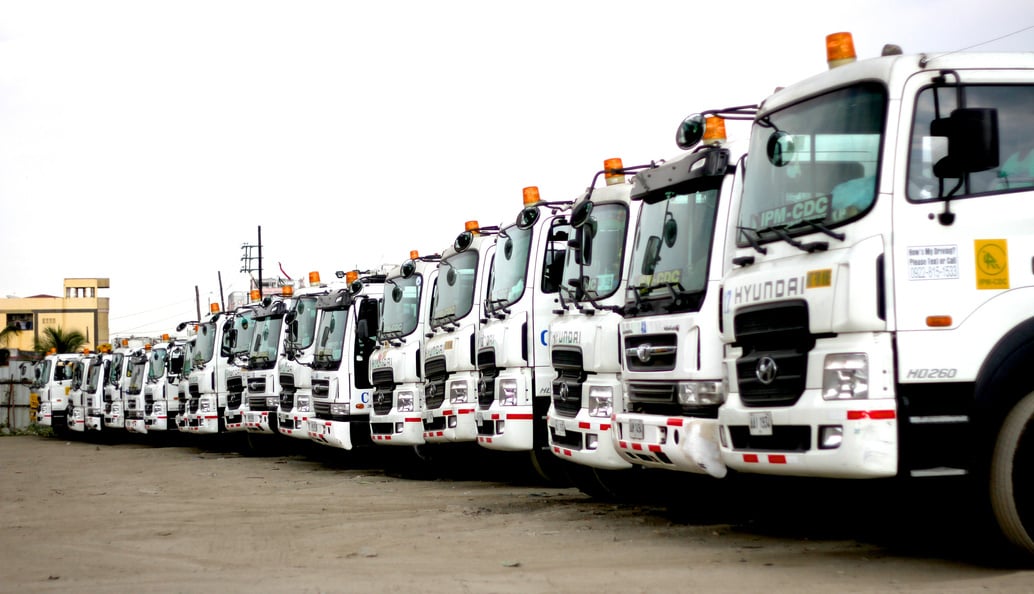
BEST also holds city solid-waste collection contracts — the same discipline that serves entire cities carries every Trash to Cashback kilogram.
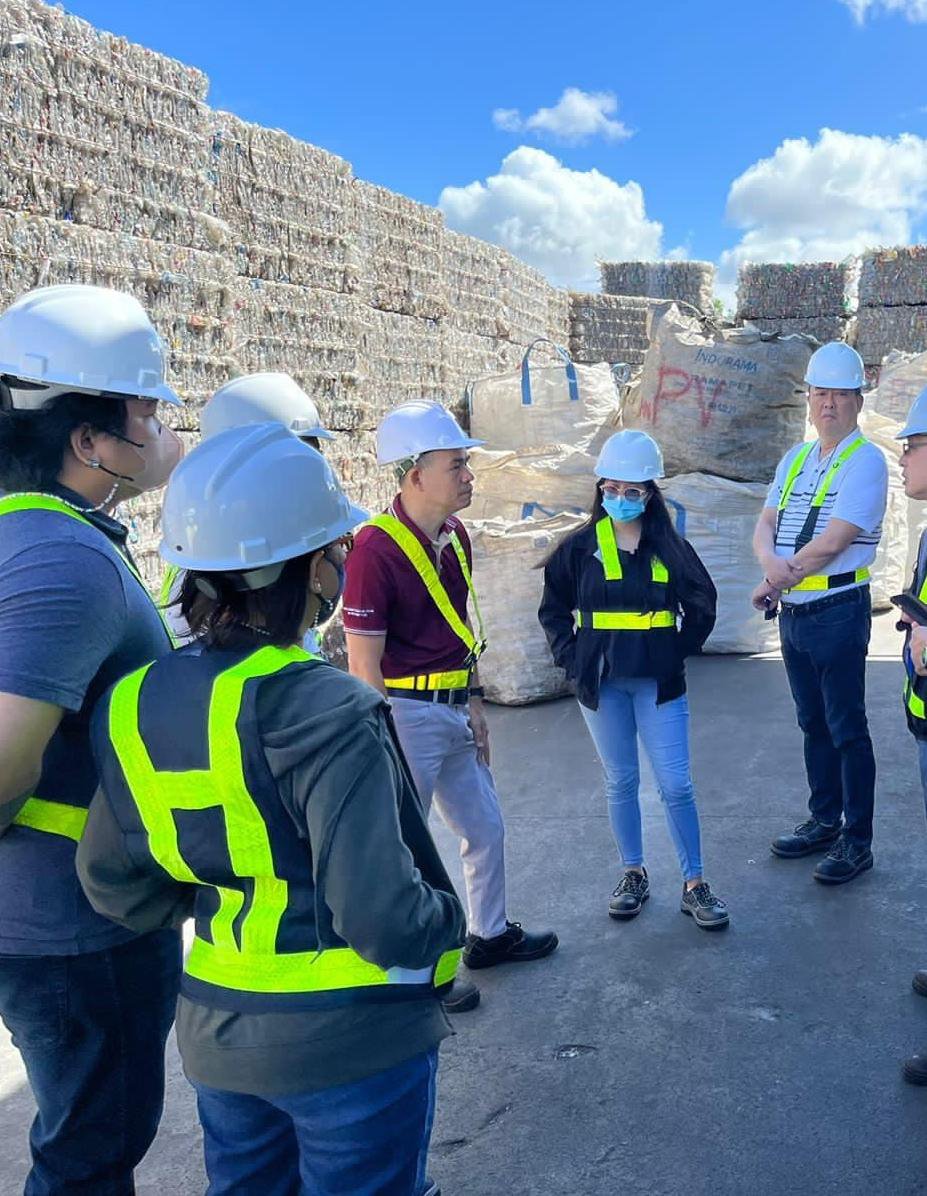
Team in hard hats before baled recovered paper at a recycling facility
Baled recovered material, ready for the recyclers.
05

Recycle

Materials become materials again

Finally, the recovered paper, plastic, metal and glass are delivered to recyclers and turned back into raw material — boards, packaging, new products. Every kilogram is accounted for from exchange to delivery, so recovery is traceable: what a community handed over verifiably reached a recycler, and only true residual waste goes to disposal.

Traceability is what lets recovered packaging count under the Extended Producer Responsibility Act (RA 11898) — connecting community recycling to producer funding.
One loop, five pillars

Take one pillar away, and the loop stops turning.

No segregation — nothing clean enough to recycle. No exchange — no record and no reward. No redemption — no reason to keep going. No collection — materials never leave the barangay. No recycling — everything was for nothing. Together, they turn household routine into recovered resources, week after week.

Measured, never estimated

Every number below comes from weighed, recorded exchanges.

30
cities with the program
339
collection points
23,700+
participating residents
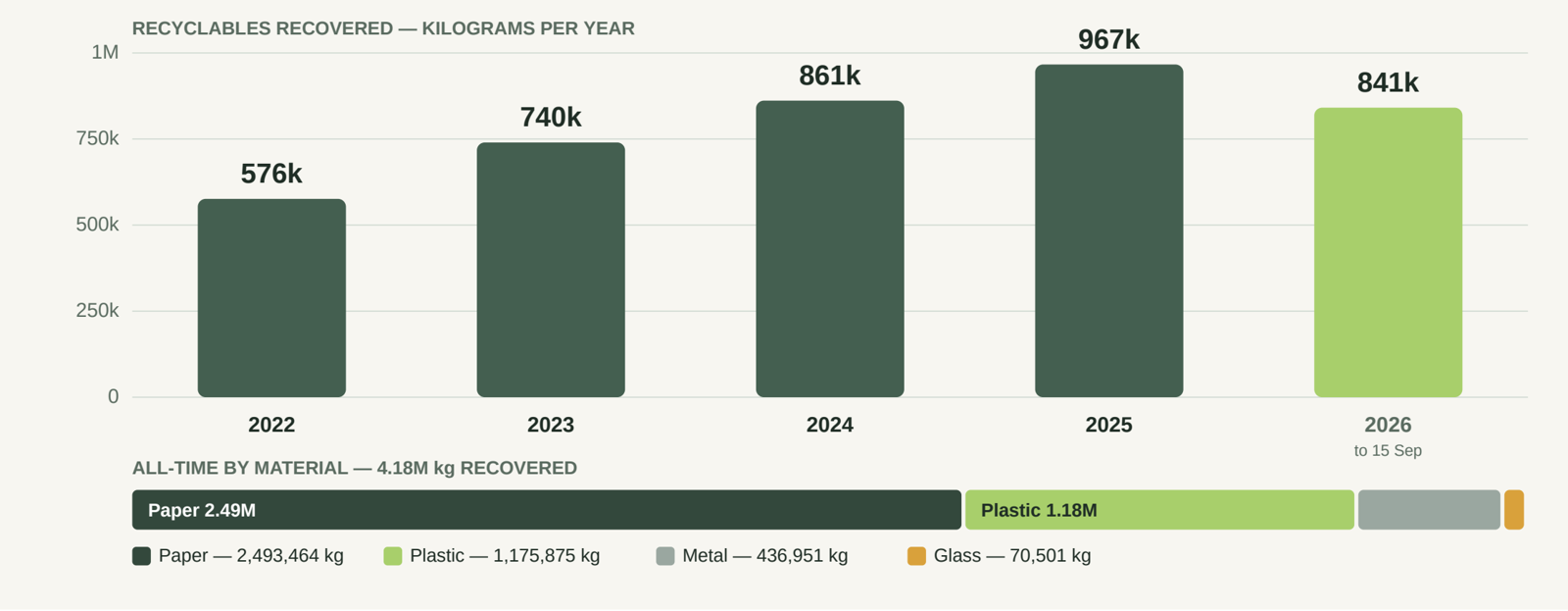
4.18M kg
recyclables recovered
Bar chart of recyclables recovered per year, growing from 576 thousand kilograms in 2022 to 967 thousand in 2025, with 841 thousand recovered in 2026 to date

Recyclables recovered year on year, from the BEST exchange ledger (figures as of 15 September 2026). The program also runs inside master-planned private estates, including Fort Bonifacio (Taguig) and the Ortigas Center.

Why we exist

We are enablers of change.

We change behaviour — through a program that makes segregation at source easy, and rewards it. In doing so, we help the DENR: every kilogram our Eco-Warriors sort and recover is the Ecological Solid Waste Management Act working on the ground, in real barangays. And we help businesses just as much — because traceable, measured recovery is how an enterprise turns its obligations under RA 9003 and RA 11898 into compliance it can count, not just claim.

For peopleBehaviour change that lasts

Incentivized segregation at source — the right habit made easy, and rewarded every week.

For governmentRA 9003, delivered on the ground

Working segregation, exchange points and measured recovery — supporting what the DENR and LGUs are mandated to achieve.

For businessCompliance you can count

Traceable recovery that helps enterprises meet RA 9003 duties and RA 11898 EPR obligations with audited numbers.

Who we serve

Whoever you are, there is value here for you.

Companies with compliance deadlines, businesses with CSR goals, cities with diversion targets, schools raising the next generation, families sorting at home — the same five pillars serve each of you differently. Find yourself below.

I am a…
Companies · EPR compliance

Obliged under the EPR law? Recover your plastic footprint — measured.

RA 11898 requires obliged enterprises to recover a rising share of their plastic packaging footprint every year, with penalties for falling short. Our operation recovers real, weighed kilograms — collected by our own fleet, documented end to end — the paper trail your EPR audit needs. It's how Tapon to Ipon, our partnership with Coca-Cola in Biñan, puts a producer's program on the ground.

Talk to us about EPR compliance →
Businesses · CSR & ESG

Give your CSR a number, not just a photo op.

Run workplace collection drives and company Eco-Warrior competitions where employees exchange sorted recyclables and climb a leaderboard — the way our corporate partners already do. Every kilogram is weighed and recorded, so your sustainability report cites measured recovery, not estimates.

Start a company program →
LGUs & Barangays

Hit your RA 9003 targets — and keep the value in your city.

The Ecological Solid Waste Management Act asks every LGU for diversion at source. The program delivers it barangay by barangay — and because Environmental Points are redeemed as cashback at neighbourhood stores, the value of your city's recyclables stays in your city's economy.

See the cities already running it →
Schools & the young

Raise Eco-Warriors early.

Children who learn to sort at seven never unlearn it. School collection drives and challenges like the X-Trash Challenge we built with PBSP turn segregation into something students can see, score and be proud of — with the whole class watching the kilograms add up.

Bring it to your school →
Individuals & families

Your household trash pays you back.

Sort your paper, plastic, metal and glass; bring them to a collection point near you; earn Environmental Points on the spot and redeem them as cashback at your neighbourhood stores. No fees, no forms — one visit and you're an Eco-Warrior.

Find your nearest center →
Developers & estates

Design waste in from day one.

A community generates waste every day, for decades — plan for it like roads, water and power. The Waste-Smart Housing Community model our President brought to SHDA, and the ISWM-RRP framework behind it, are yours to use in your next development.

Read the SHDA address & get the framework →

RA 9003 — Ecological Solid Waste Management Act of 2000 · RA 11898 — Extended Producer Responsibility Act of 2022. References: lawphil.net (RA 9003) · lawphil.net (RA 11898)

Engagement, by design

Behaviour change is engineered — easy, rewarded, social, and visible.

Cashback starts the habit. What sustains it is a ladder of engagement the program has built around every community — challenges, milestones, and friendly competition, all scored in real, weighed kilograms.

The race

Eco-Marathon challenges

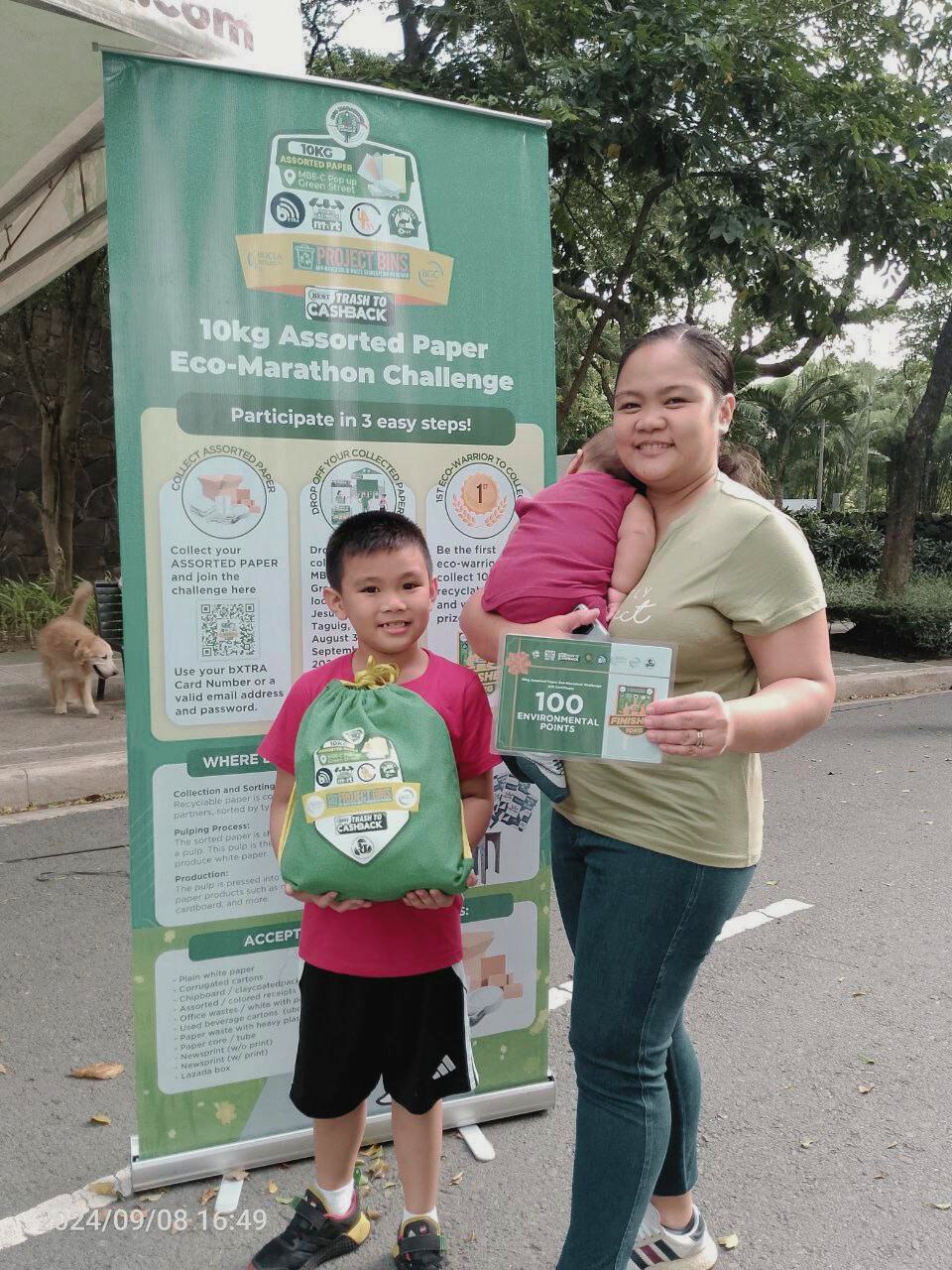
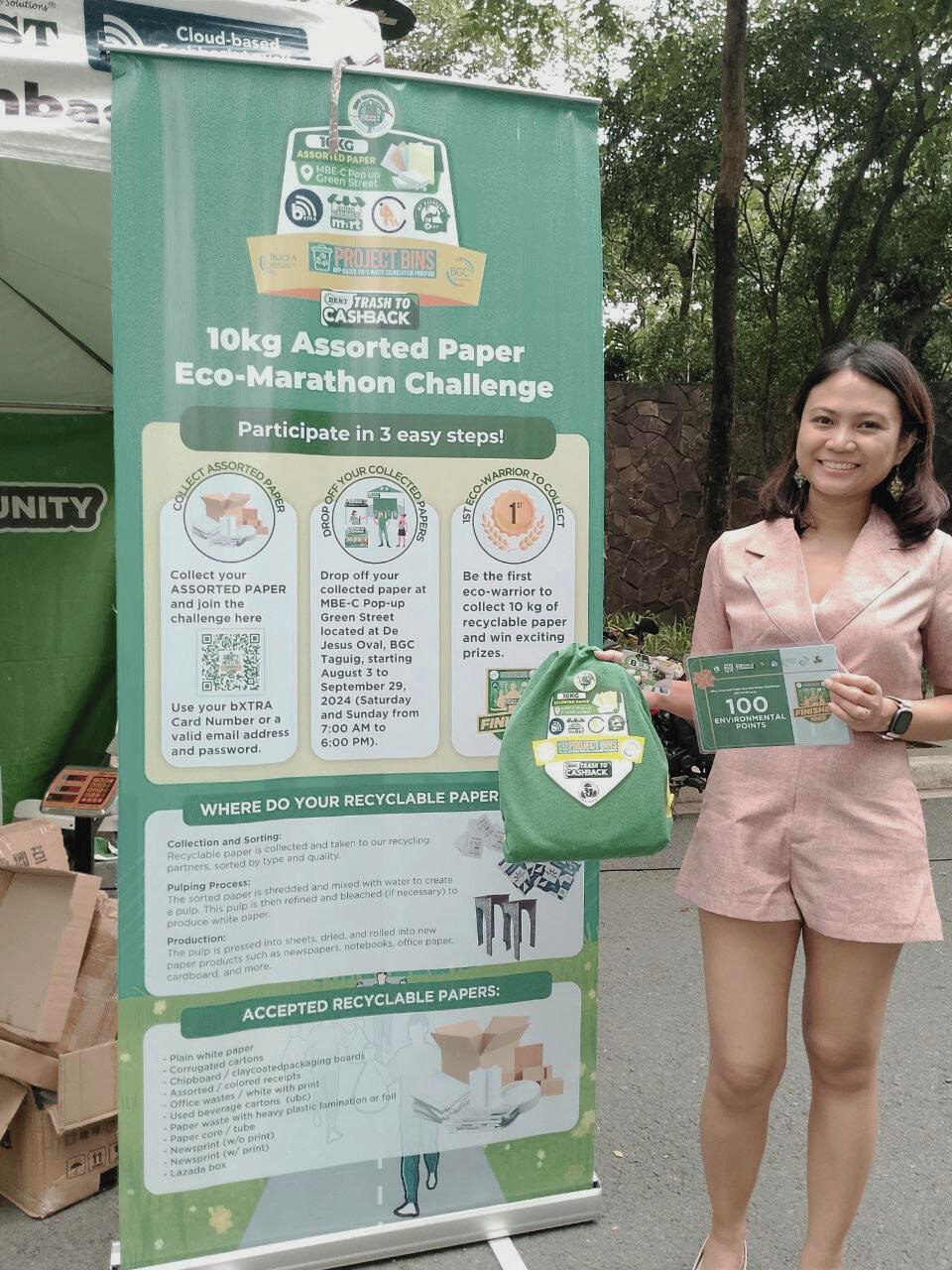
Time-bound community races with a concrete target — like the 10 kg Assorted Paper Eco-Marathon Challenge: join in three easy steps, collect your material, and the first Eco-Warriors to reach the goal win prizes. A deadline and a finish line turn a chore into a sprint the whole neighbourhood can see.
Join or follow a race → info.trashtocashback.com/eco-marathon

The long game

Eco-Milestones

Staged goals per recyclable material — paper, plastic, metal, glass — each with its own milestone and reward as a community's measured total climbs. Small wins arrive early and often, and every milestone is verified by the same weighed-and-recorded ledger as everything else.
See the milestone campaigns → info.trashtocashback.com/eco-marathon

The friendly rivalry

Competitions that make it social

Barangay against barangay in Quezon City. Students at Muntinlupa National High School practicing segregation in their own homes. Government offices in an interdepartmental race. Even IPM's own workplace competition. When your community's score is public, nobody wants to be the one who didn't sort.

Eco-Warrior Champion of Change Eco-Partner
A mother and child joining the 10 kg Assorted Paper Eco-Marathon Challenge beside the program banner
The Eco-Marathon Challenge — a family signs up for the 10 kg paper race.
An Eco-Warrior with the Eco-Marathon Challenge banner and rewards kit
Finishers take home more than prizes — the habit stays.

The programs and the partners — the stars of the loop.

Every campaign below is real, running, and scored in weighed kilograms — brands meeting their EPR obligations, cities mobilizing barangays, schools and workplaces competing. Tap any program to see it on the official site.

Brand EPR · PET · Just launchedTapon to Ipon — with Coca-Cola PH & Biñan City Signed 16 September 2026 with Mayor Gel Alonte and the Biñan City Government: clear PET bottles of any brand recovered across the City of Life, with rewards for participating residents. (Announced on the official BEST Facebook page.) See the announcement → Brand EPR · GlassDiageo Harmony — Glass Retrieval Program Glass bottles recovered from communities, traceably, for a global drinks maker. View program → Brand EPR · PETCoca-Cola Tindahan Extra Mile (TEM) Challenge Sari-sari stores go the extra mile collecting PET — the tindahan as a recovery point. View program → Brand EPR · CartonsTetra Pak UBC Retrieval Program Used beverage cartons collected and returned to the recycling chain. View program → Brand EPR · PlasticsALASKAlikasan SUP Retrieval Program Single-use plastics retrieved with Alaska — packaging coming home responsibly. View program → Brand EPR · PlasticsLazada LAZ GO GREEN SUP Retrieval Program E-commerce packaging recovered — the delivery economy cleaning up after itself. View program → City partnershipQC Trash to Cashback Program With the Quezon City Government — residents exchange trash for food and groceries. View program → WorkplaceQC Gov't Interdepartment Competition City hall departments race each other — public servants leading by example. View program → SchoolMuntinlupa National High School Recycling Competition Students practicing segregation at home — the habit planted a generation early. View program → WorkplaceIPM Internal Recycling Competition The family of companies competes too — we ask nothing we don't do ourselves. View program → CSR · with PBSP · for schoolsThe X-Trash Challenge Built with the Philippine Business for Social Progress, running since 2021: employee volunteers from PBSP member companies — Accenture topped Year 4 — race to collect recyclables, and their Environmental Points buy food packs and school supplies for public schools. Year 4 alone: 118,342 kg exchanged. Read Year 4 results at pbsp.org.ph →
All programs & partners, on the official site The full and growing roster — trashtocashback.com/about-us/partners
See all partners →

More partner brands on the loop.

Moments along the way.

The gatherings, launches and clean-ups that keep the movement moving.

Fun · Measured · Sustainable

If it isn't measured, it isn't real. So we keep score — publicly.

Fun starts the habit; a public scoreboard sustains it. Companies, cities and communities on the program compete in weighed, recorded kilograms — and anyone can open the boards below and check who is really segregating at source.

From a live corporate dashboard · Name withheld

One of the country's largest employers has run its Eco-Warrior program on this system for five straight years.

Their branches compete on a leaderboard, their people exchange sorted recyclables at their worksites, and every kilogram lands in an auditable ledger their sustainability team can stand behind. The numbers below are queried live from that ledger — the name is withheld because it is their story to tell.

210,293 kgrecyclables recovered — weighed, never estimated
3,543recorded exchanges by their people
538,137Environmental Points earned, redeemable as cashback
20site accounts across their branches
4cities covered by their program
5 yearscontinuous — Sept 2021 to an exchange logged yesterday

Queried live from the Trash to Cashback program ledger, 17 September 2026. Their full dashboard adds branch leaderboards, per-material breakdowns and exchange-level receipts — this is what EPR and ESG reporting looks like when the data is real.

Open the dashboard yourself — live, identity masked → Get one for your organization →

Check any community's pulse

Top 8 of 29 cities, from the live community board as of 17 September 2026 (the full board refreshes hourly). If a barangay, company or school tells you they segregate at source — this is where you check. Want your community on the board? Talk to us.

The data-driven challenge · replayed straight from the ledger

How data-driven are we? Watch the ledger move.

Every tick below is one real exchange — weighed at a real center, recorded with its material and its exact subtype. Nothing is simulated: this panel replays today's recorded recyclable exchanges as they happened. The daily counter resets every midnight. The main counter has been adding up since the program's very first exchange — it never resets.

TODAY'S CHALLENGE · kilograms of recyclables exchanged today, program-wide · resets at midnight
THE MAIN COUNTER · every recyclable kilogram since the first exchange on 19 May 2021 · never resets — it only adds up

One program, city after city

From NCR to Bacolod to Cagayan de Oro — the same five pillars, growing barangay by barangay.

The program now spans Metro Manila, Bacolod and Cagayan de Oro.

Find your nearest MBE-C center

My Basurero Eco-Community (MBE-C) Centers are the program's strategically placed community hubs — handling collection, transport, booth set-ups, logistics and the data behind every exchange. Find them all on one live map, pick the nearest pin, and bring your first bag of sorted recyclables.

Open the live centers map →
info.trashtocashback.com/mbe-c-centers

City by city — what's running where.

Tap a city to see its centers, campaigns and stories — every link goes to the official record.

Taguig · Bonifacio Global CityProject BINS, estate-scale recovery in the country's premier business district
Quezon CityA full city partnership — exchanges, competitions, and official recognition
MandaluyongCity collection contract + the TTCB Mart, where points become goods
Pasig & the Ortigas CenterMBE-C centers in the business district — including the MMDA pop-up
PasayPop-up exchange at Megaworld's Newport — recovery meets the mall
MuntinlupaFestival Mall pop-up + the National High School recycling competition
BacolodThe deepest footprint outside Metro Manila — barangay MRFs, market centers, and the TTCB Mart

IPM MRFs serve Barangays 2, 8, 13, 30, 35, Alijis, Banago, Bata, Punta Taytay and Vista Alegre — plus the Burgos Market and NGC centers.

Biñan, Laguna — the newest cityTapon to Ipon launched 16 Sept 2026 with Coca-Cola PH and the Biñan City Government

Reference: official BEST Facebook announcement, 16 September 2026 — MOU with Mayor Gel Alonte and the Biñan City Government for any-brand clear-PET recovery with resident rewards.

Valenzuela City34 collection points on the ledger — every single one active

Source: BEST exchange ledger, Locations register (read September 2026).

Makati City32 collection points serving the business capital's barangays

Source: BEST exchange ledger, Locations register (read September 2026).

Bataan provinceBalanga, Mariveles, Dinalupihan, Bagac and Morong — the loop crosses provinces

Source: BEST exchange ledger, Locations register (read September 2026).

Baguio CityAn active exchange point in the summer capital

Source: BEST exchange ledger, Locations register (read September 2026).

The full ledger — every city and municipality33 and counting, from the exchange register itself

Metro Manila: Quezon City · Taguig · Valenzuela · Makati · Pasig · Mandaluyong · Manila · Pasay · Parañaque · Muntinlupa · Caloocan · Pateros · Marikina · Malabon · San Juan · Las Piñas
Luzon provinces: Cainta, Teresa & Morong (Rizal) · Santa Rosa (Laguna) · Batangas · Mabalacat (Pampanga) · Guiguinto & Angat (Bulacan) · Balanga, Mariveles, Dinalupihan & Bagac (Bataan) · Baguio
Visayas: Bacolod — the single largest footprint at 172 recorded points — Bago City · Murcia (Negros Occidental)
Mindanao: Cagayan de Oro

Reference: BEST exchange ledger, Locations register, read September 2026. Point counts change as centers open, move and consolidate — the live map is always the current truth.

Metro Manila & beyond30 cities and counting — the wider story
In your pocket

The apps that carry the program every day.

From BEST — the program's own app

My Basurero

Waste hauling, booked from your phone

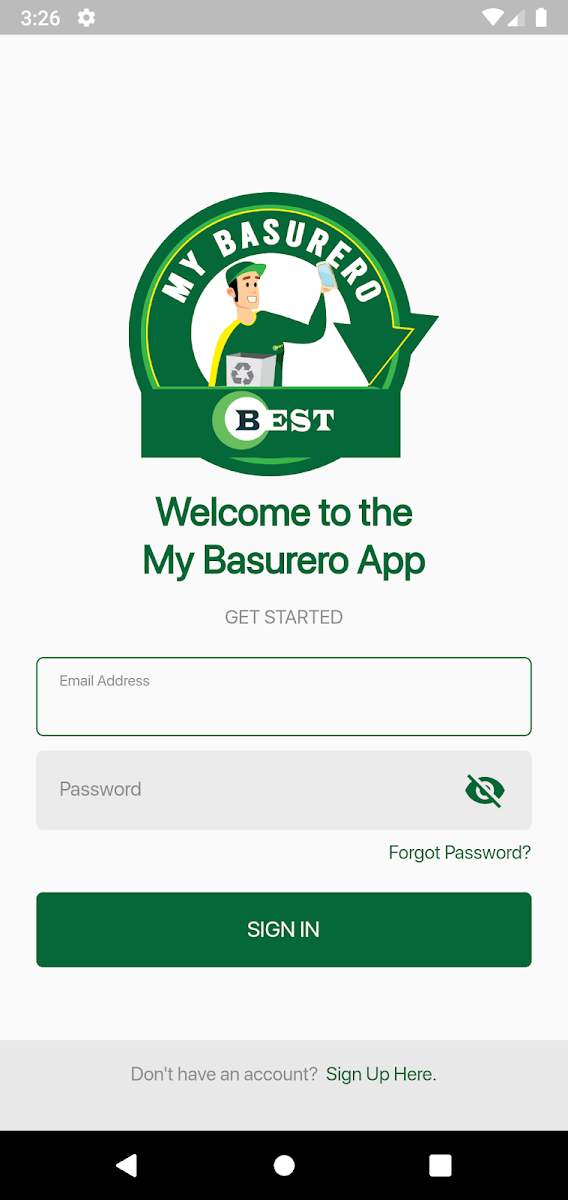
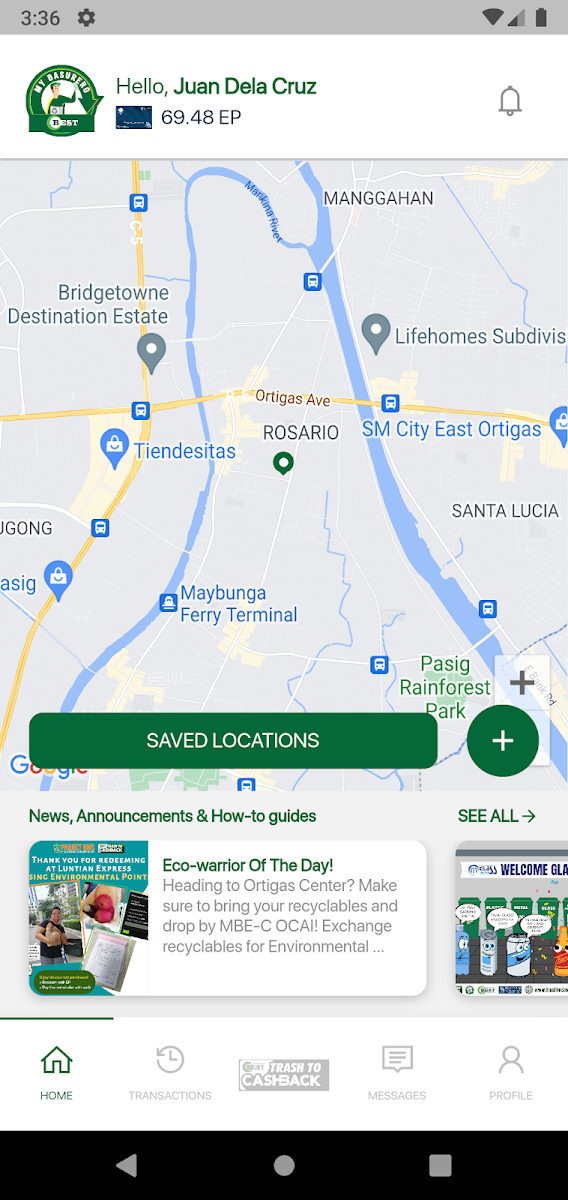
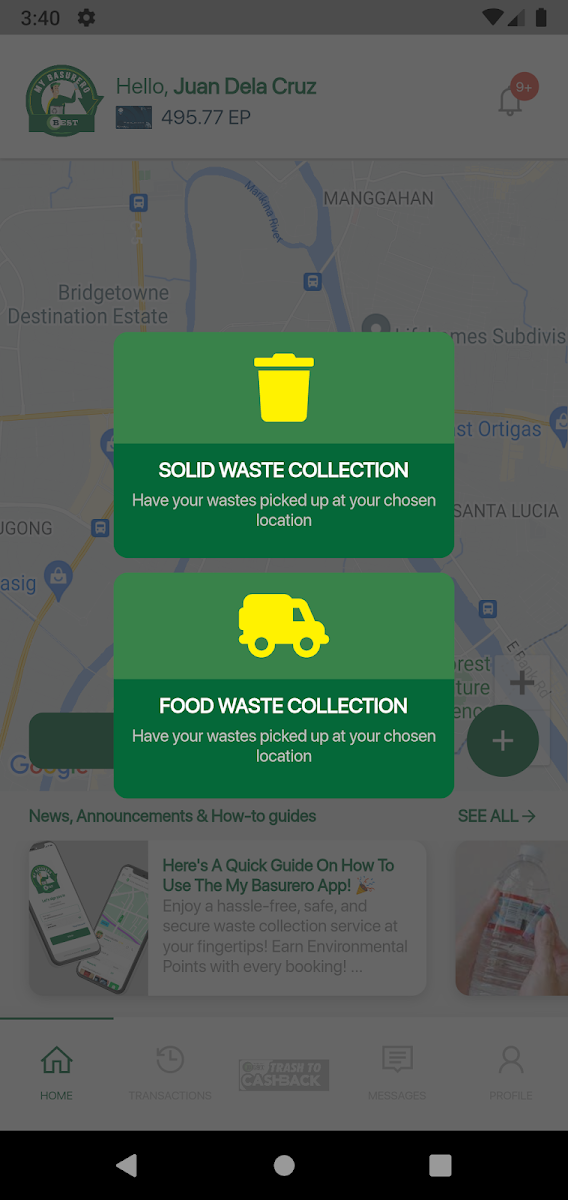
Request a pickup for household, garden or construction waste, track the crew in real time, and earn Environmental Points on every booking — convertible to cashback via the integrated bXTRA Wallet.

My Basurero app welcome screen My Basurero map with saved locations and EP balance My Basurero waste collection booking options
The technology partner · bXTRA Philippines

One rail carries every point, from the weighing scale to the sari-sari counter.

Behind the program runs the bXTRA platform: every exchange is recorded to an Environmental Points ledger, every point lives in a wallet, every partner store and MBE-C center sits on one live map, and every redemption clears in real time. Slide through the technology that keeps the loop honest and instant.

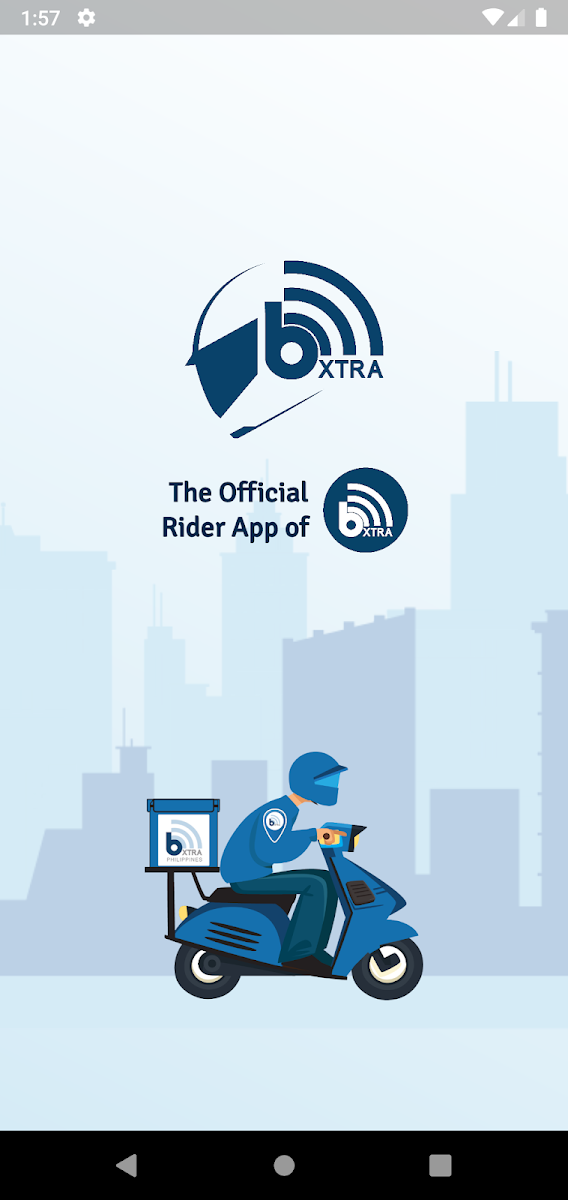
bXTRA PH app splash screen
The platform
One account across the whole ecosystem — earn at the booth, redeem anywhere on the rail.
bXTRA PH wallet and services home screen
The wallet
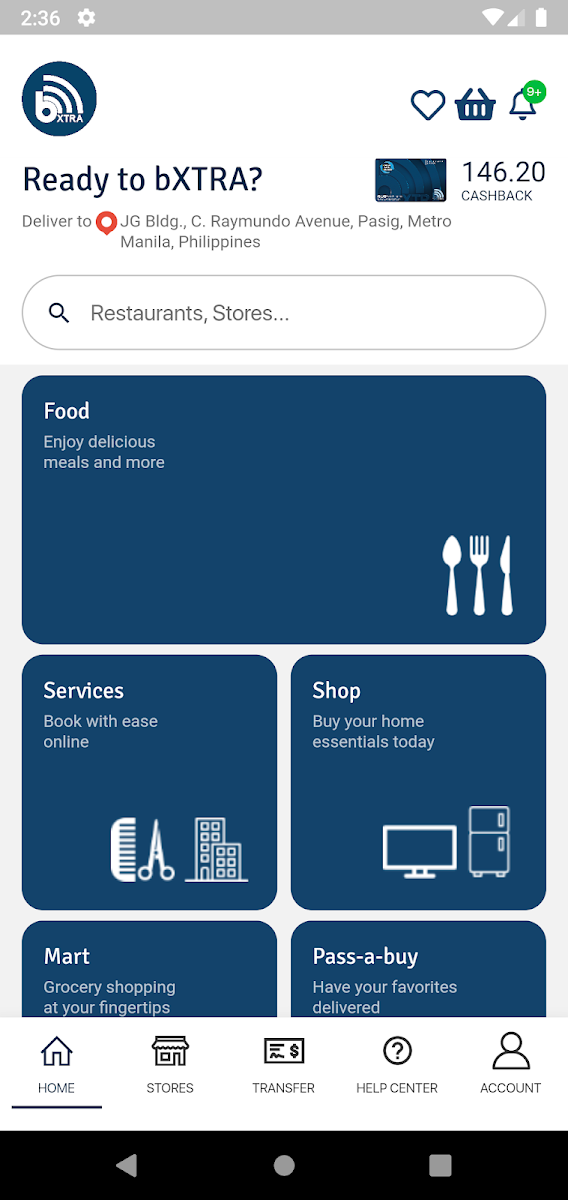
Environmental Points become visible, redeemable value — balance, food, shop and mart in one screen.
bXTRA PH live map of partner stores
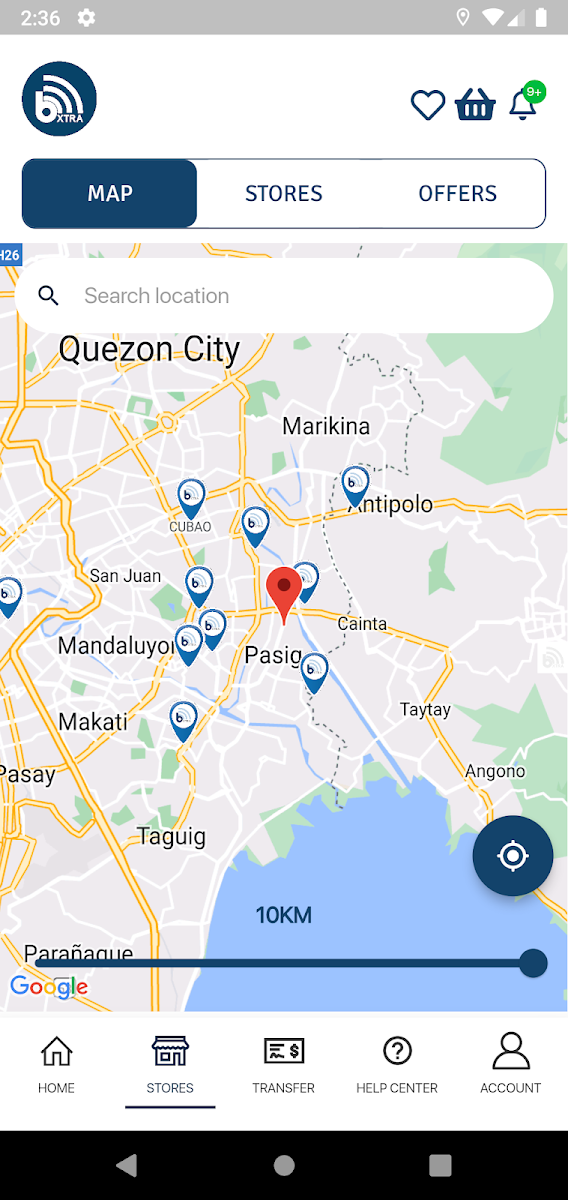
The map
Every partner store and MBE-C center, live — the redemption network at street level.
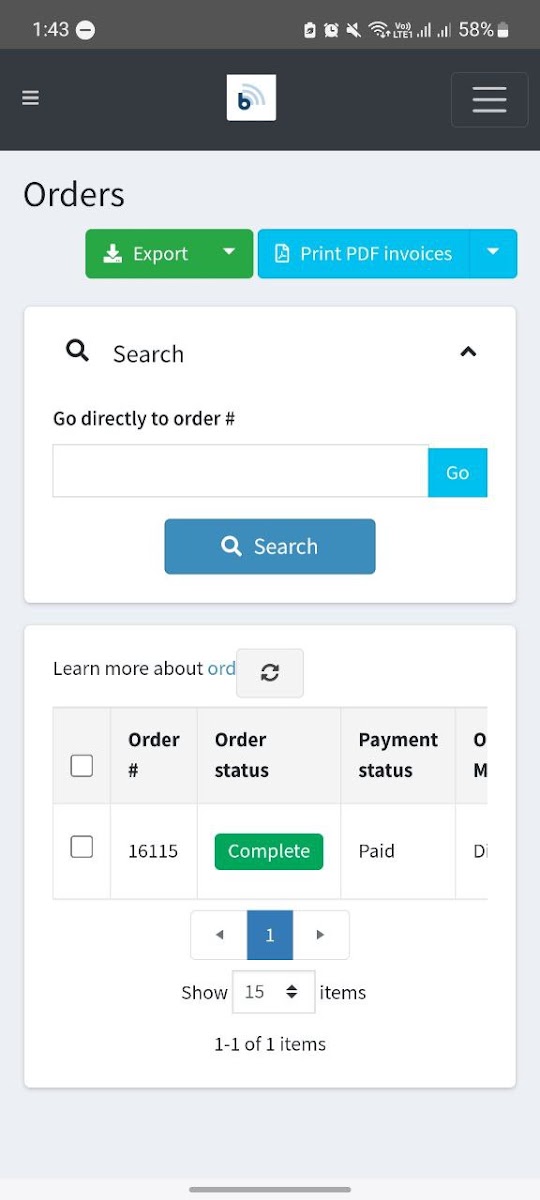
bXTRA Vendor orders screen
The partner side
Stores receive orders and redemptions in real time — no paperwork, no reconciliation drama.
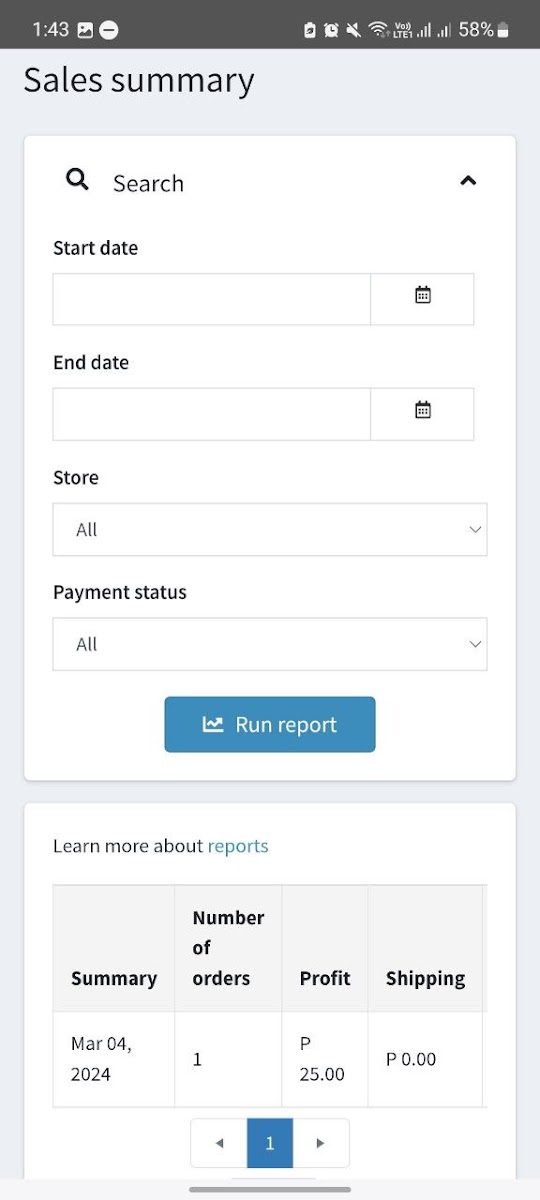
bXTRA Vendor sales summary screen
The data
Sales summaries for every partner — the same measured honesty the program runs on.
bXTRA Rider app screen
The fleet
Riders connect stores to homes with live tracking — the loop's moving parts, visible.
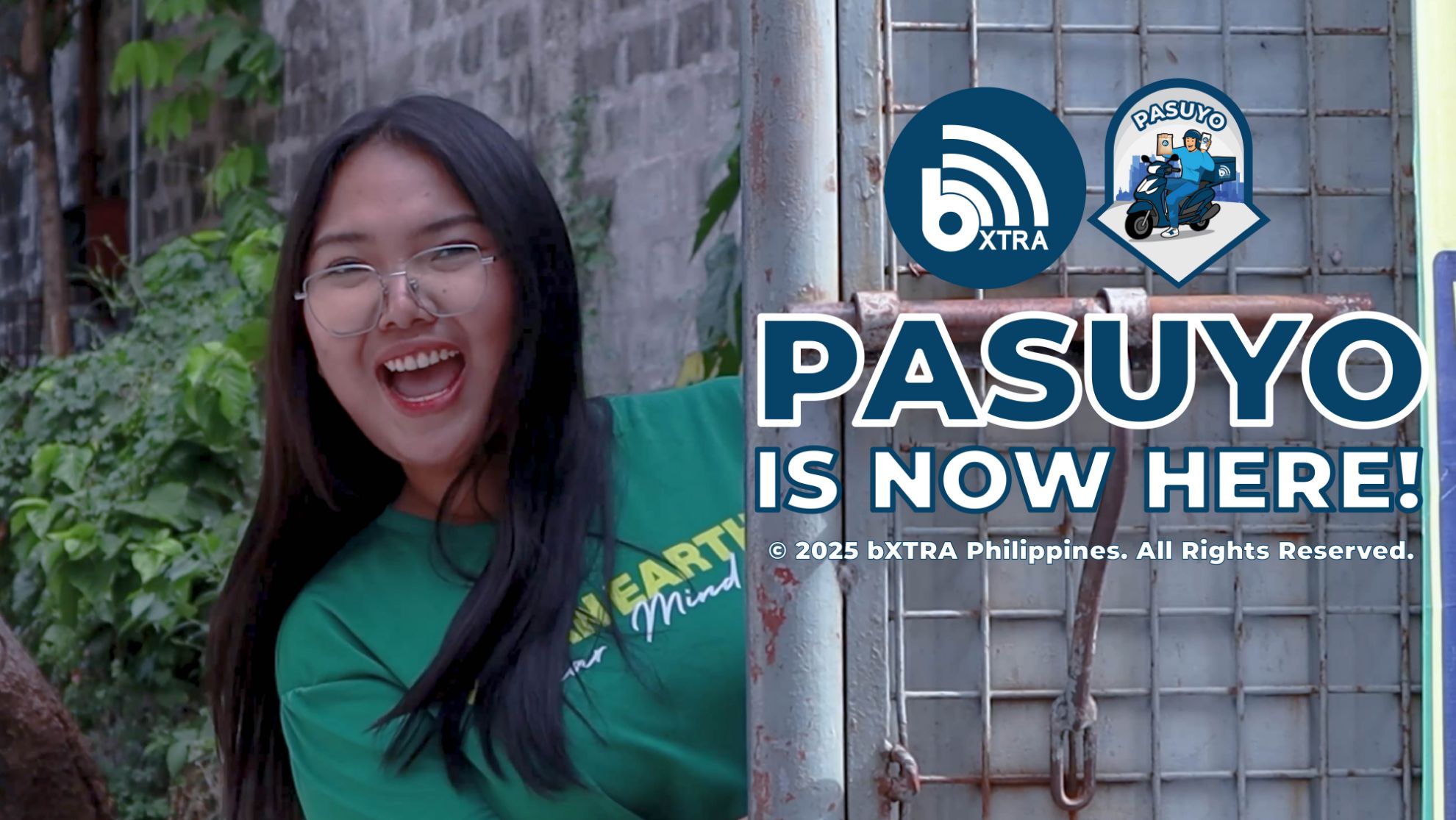
PASUYO is now here — bXTRA's personal shopping and errand service
Also on the rail · PASUYO

“We go, so you don't have to.”

From the Filipino “paki-suyo” — please do me a favor. PASUYO is bXTRA's personal shopping and errand service: search almost any nearby store on the map, list what you need — food, supplies, medicine, anything a nearby store carries — and a real rider buys it and brings it to your door. Cash on delivery for orders up to ₱2,000, with cashback earned back on the service fee. The same riders, the same wallet, the same rail that carries Trash to Cashback — even hotels use it for their guests.

Read: What is PASUYO? → bxtra.ph
PASUYO for Hotels → bxtra.ph/pasuyo-for-hotels
The company behind the program

Who is BEST?

Basic Environmental Systems & Technologies, Inc. (BEST) — Total Waste Solutions — was incorporated in the Philippines on 15 September 1999, and is 75% owned by IPM Holdings, Inc. Its President is Ms. Isabelita P. Mercado. BEST's stated aim: to change the way people view waste and waste management — integrating modern systems into traditional disposal, in both urban and rural communities.

Its services, end to end: waste collection, transport and disposal · garbage hauling · landfill construction, operation and maintenance · rehabilitation and closure of open dumpsites · materials recovery facility operations · refuse-derived fuel (RDF) · public cleansing — and its community programs, Trash to Cashback and My Basurero.

What makes BEST unusual is that it stands on every side of the waste problem at once:

The developer

Through IPM Realty & Development Corp., Ms. Mercado builds residential communities — the very places where household waste begins.

The hauler

IPM Construction's waste-management division carries the solid-waste collection of Mandaluyong and Taguig — moving entire cities' waste every day.

The recovery operator

Through Trash to Cashback, BEST runs the exchange points, the incentive system, and the recovery chain that turns sorted waste into recycled material.

Developer, hauler, recycler — one organization that creates communities, carries their waste, and gives it somewhere better to go.

Two digital services carry the program: Trash to Cashback — this site — for residents exchanging sorted recyclables; and the My Basurero app (mybasurero.com.ph), BEST's waste-hauling booking platform: request a pickup for municipal waste, construction debris, garden waste or recyclables, get a free quotation, track the collection crew in real time, and earn Environmental Points on every booking — convertible to cashback through the integrated bXTRA Wallet. On Google Play and the App Store. As they say: "One recyclable a day keeps climate change at bay."

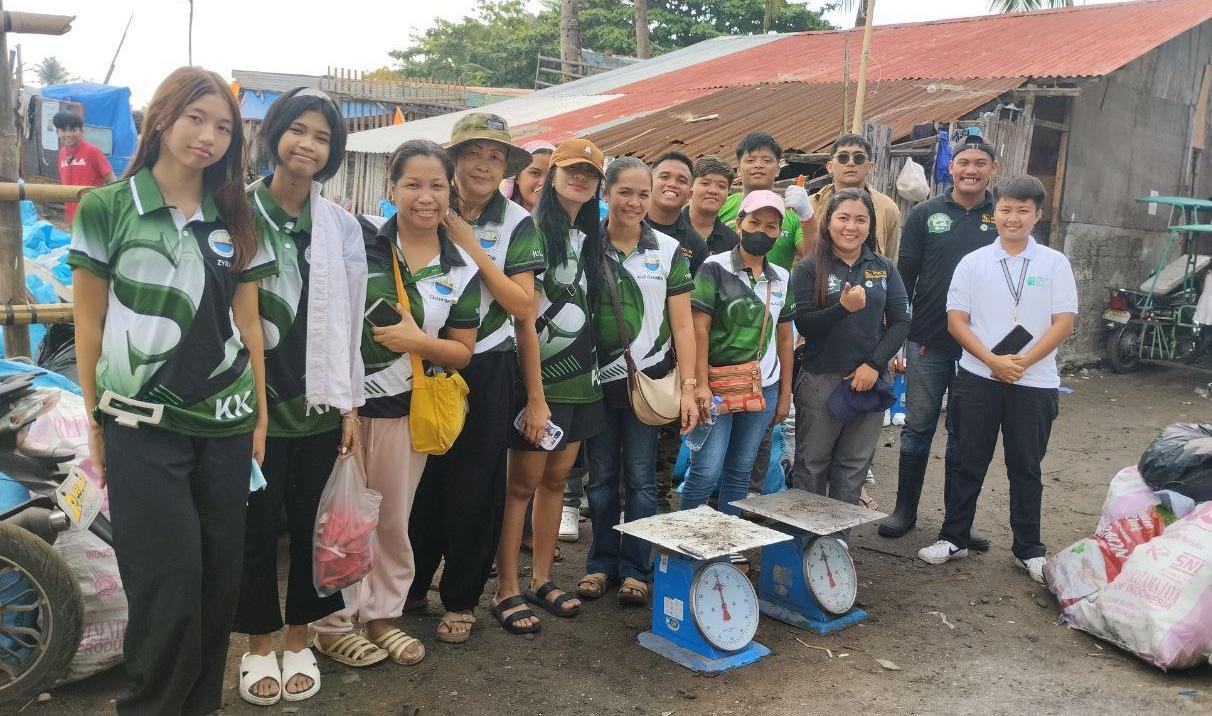
Opening frame of the BEST 25th anniversary film BEST at 25 — the anniversary film Twenty-five years of Total Waste Solutions · watch on Facebook ↗ The BEST Trash to Cashback field team
The team behind the collection points.
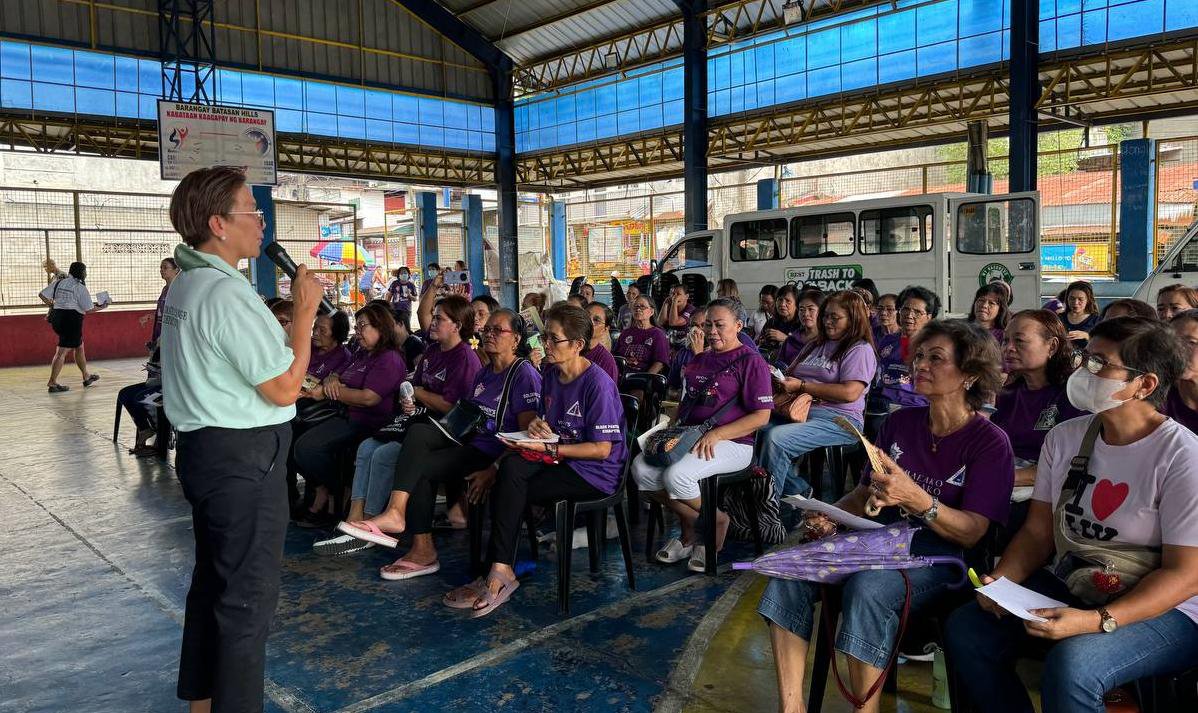
A community orientation session at a barangay hall
Community orientation — the program grows barangay by barangay.
Follow the journey · verify us anywhere
16 September 2026 · 34th SHDA–DHSUD National Developers Convention

The address: “Enhancing Solid Waste Management in the Philippines for Housing Development”

Speaking to the country's housing developers, Ms. Mercado proposed the Waste-Smart Housing Community — five components (Plan → Segregate → Collect → Recover → Measure) that design waste management into housing from day one, the way we already plan roads, water and power.

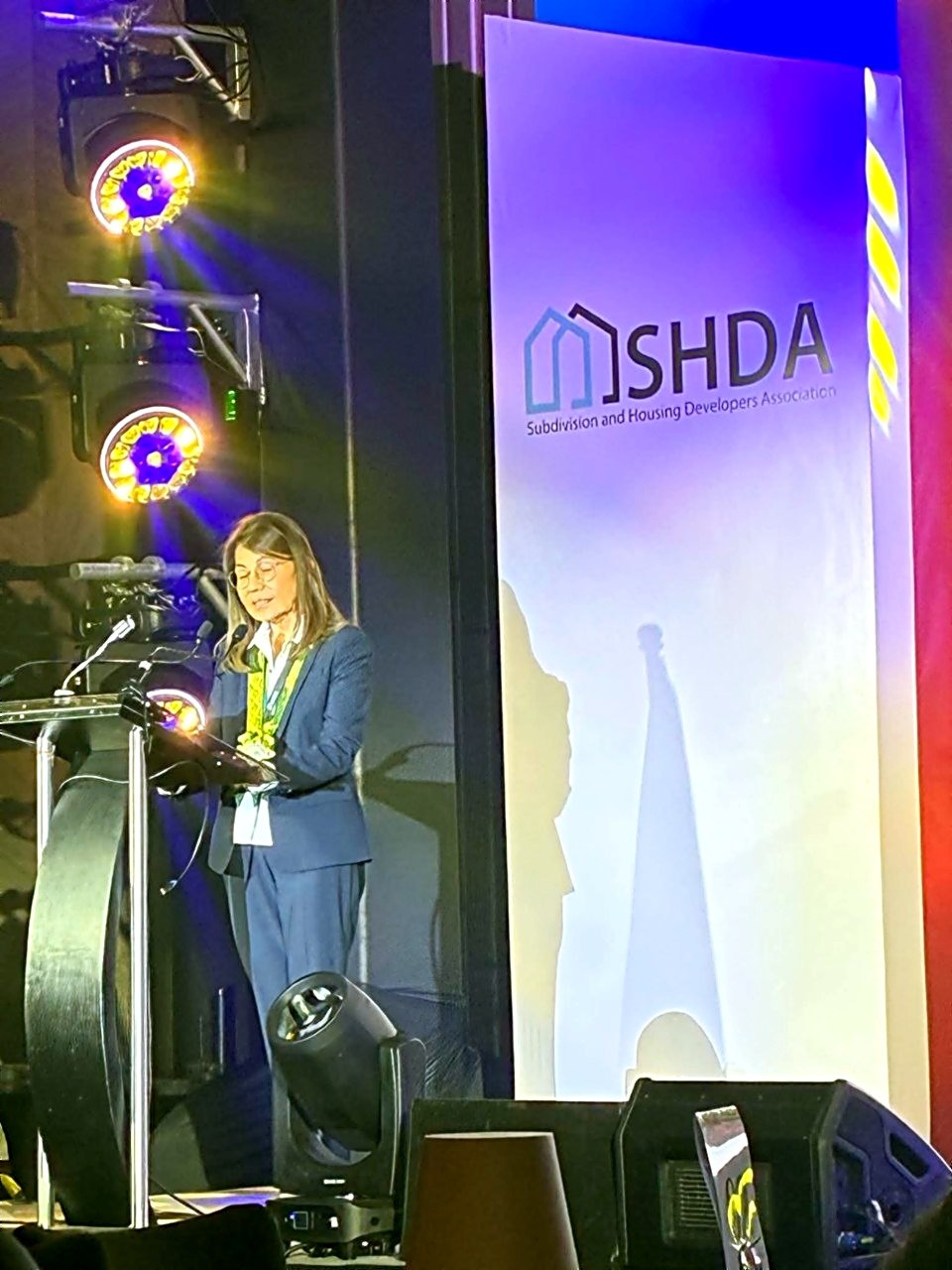
Isabelita Paredes Mercado delivering her address at the SHDA convention podium
Ms. Mercado at the podium, Marquis Events Place, BGC.
“When we build housing, we are creating communities that will generate waste every day — for decades.”From the address
“A sustainable home should be part of a sustainable community.”From the closing

Her argument in one line: housing is the creation of a functioning community, not just construction — so solid waste management belongs among the essential community infrastructure, planned before the first family moves in. The full address, as delivered, is below.

Read the full address — as delivered
The complete address, word for word — scroll inside the box to read.

Good afternoon, everyone,

when we talk about housing development in the Phils, we normally talk about the number of houses we need to build, affordability, financing, land availability, infrastructure, and the quality of homes we provide.

Housing development should be viewed as the creation of a functioning community, not simply the construction of houses or condominium buildings.

When we build housing, we are not simply constructing homes, we are creating communities that will generate waste everyday for decades.

housing planning normally provides for:

. roads and transportation

. Water supply

. drainage and sewerage

. Power and utilities

. Sanitation

. Open spaces and community facilities.

I believe, Solid waste management should be considered part of this essential essential community infrastructure.

This is important because how will these communities manage the waste they generate every day? And this question becomes increasingly important as we build larger and high density communities.

The government's Pambansang Pabahay para sa Pilipino or 4 PH Program, includes developers, contractors and local government units (LGU's) among its participants and gives priority to high density and vertical development, though the government has also added the horizontal development and other housing modalities. The government's 4PH framework emphasizes sustainable and resilient housing, making waste systems particularly relevant to community planning.

Housing development and solid waste management therefore have to be planned together.

We should therefore integrate waste management into housing master plan and at the planning stage determine:

- How many families will live here?

- How much waste will they generate?

- Where will the residents segregate their waste?

- Where will recyclables go?

- What will happen to food and other biodegradable waste?

- How much residual waste will eventually require final disposal?

- And who will be responsible for operating the system after the developer turns over the community?

- These questions should be answered before construction is completed, not after the waste has already become a community problem.

The Philippines already has a strong legal foundation in Republic Act No 9003, the Ecological Solid Waste Management Act.

If you look at RA 9003, Section 21, second paragraph - the only place the Act speak to us. And it says “For premises containing six (6) or more residential units, the local govt unit shall promulgate regulation requiring the owner or person in charge of such premises to… provide for the residents a designated area and containers in which to accumulate source separated recyclable materials to be collected by the city, municipality or private center.

RA 9003 defines segregation at source as separating different materials at their point of origin to promote recycling and reuse and reduce the volume requiring collection and disposal. It also requires an MRF (materials recovery facility) in every barangay or cluster of barangays. MRFs are intended for sorting, segregation, composting and recycling, with residual wastes subsequently transferred to appropriate storage or disposal facilities or sanitary landfills.

The challenge of housing development is to translate these principles into physical design and everyday operation of communities.

I propose a simple model that we can call: Waste-Smart Housing Community

This waste-smart housing development can be a subdivision, horizontal housing, and condominium development. It has five (5) interconnected components.

Plan > Segregate > Collect > Recover > Measure

1. PLAN

Solid waste management begins with the site development plan.

The developer should estimate projected waste generation and incorporate adequate areas for waste segregation, storage, collection and resource recovery.

For vertical housing, this is especially important. A high-rise community places many households within a small land area. DHSUD's 4PH framework recognizes walk-up buildings, mid-rise developments of five to nine floors, and high-rise developments of ten floors and above. (DHSUD)

Waste rooms, collection points and truck access therefore cannot simply occupy whatever space is left after everything else has been designed.

They should be part of the original engineering and architectural plan.

2. SEGREGATE

The second component is segregation at source.

Every household should understand exactly where its waste belongs.

A practical community system can separate:

* biodegradable or compostable waste;

* recyclable materials;

* residual waste; and

* household special wastes requiring separate handling.

But segregation must be convenient.

If we want residents to change their behaviour, we have to make the desired behaviour easy to follow.

And if residents segregate their waste, our collection system must preserve that segregation.

This is how we make the desired behaviour easy — and rewarding.

Our Trash to Cashback program stands on five pillars: Segregate, Exchange, Redeem, Collect, Recycle.

Residents segregate at home. They bring their sorted recyclables — paper, plastic, metal, glass — to a collection point in their own community, where everything is weighed and recorded, and they earn Environmental Points on the spot.

Then comes the pillar that makes the whole system work: REDEEM. Those points are redeemed as cashback at local partner stores — sari-sari stores, pharmacies, neighbourhood businesses. Redemption is the incentive. It is what changes behaviour — because the reward is immediate, useful, and close to home. And because the cashback is redeemed in neighbourhood stores, the value circulates back into the community and stimulates the local economy.

BEST then collects the sorted materials from the points and delivers them to recyclers — so what the residents separated actually gets recycled, and every kilogram is recorded.

We already run this inside master-planned private estates — including Fort Bonifacio in Taguig and the Ortigas Center — the same environment as the communities we build.

Today the program runs in 30 cities, at 339 collection points, with more than 23,700 residents participating and 4.18 million kilograms of recyclables recovered — all of it measured, not estimated.

When segregating pays, households keep doing it. That is behaviour change you can sustain — and it is ready to be designed into a waste-smart housing community from day one.

If you would like to see how the program works, the five pillars are on the screen — you can scan the QR code or visit trashtocashback.com.

3. COLLECT

Collection should be designed around the segregated system.

Different waste streams may require different schedules, containers or collection arrangements.

The LGU, developer, homeowners' association and waste-management service provider should know their respective responsibilities.

This is particularly important during the transition from developer-managed communities to homeowner-managed communities.

The waste-management system should not disappear when the developer completes and turns over the project.

4. RECOVER

This is where we can make a major change in how we think about waste.

Our objective should no longer be simply:

“How efficiently can we collect garbage?”

The better question is:

“How much material can we prevent from becoming garbage in the first place?”

Recyclable plastics, paper, cardboard, metals, glass and other materials can have continuing value.

Biodegradable materials can potentially be composted or otherwise appropriately processed.

The MRF or recovery system therefore becomes important.

RA 9003 provides that MRFs should be designed to receive, sort, process and store compostable and recyclable materials efficiently and in an environmentally sound manner. (Lawphil)

The objective is to send only the remaining residual waste to appropriate final disposal.

Connecting housing communities to EPR

There is another important opportunity.

The Extended Producer Responsibility Act of 2022, Republic Act No. 11898, strengthened the country's framework for the recovery and recycling of plastic packaging.

The law expressly provides for waste recovery approaches such as redemption and buy-back schemes, diversion into recycling and other value chains, transportation to appropriate facilities, and partnerships with LGUs, communities and the informal waste sector. (Lawphil)

This creates an opportunity to connect housing communities with EPR programs.

Construction waste must also be addressed

Our responsibility should begin even before residents move in.

RA 9003's definition of solid waste includes construction debris among the non-hazardous wastes covered by the law. (Lawphil)

Housing developers and contractors should therefore consider construction waste management during project implementation.

Concrete, metals, wood, plastics, cardboard and packaging materials should be separated wherever practicable for reuse, recycling or appropriate recovery rather than automatically treating everything as material for disposal.

A sustainable housing community should begin with responsible construction.

Measure what we accomplish

Finally, every waste-smart housing community should measure its results.

We should know:

* how much waste the community generates;

* how much is properly segregated;

* how much recyclable material is recovered;

* how much biodegradable waste is diverted;

* how much residual waste goes to final disposal; and

* how many households consistently participate.

This allows developers, LGUs and community managers to determine whether their programs are actually working.

A proposal for government and the housing sector

I would therefore like to put forward a proposal for consideration:

Major new housing developments in the Philippines should incorporate an Integrated Solid Waste Management and Resource Recovery Plan as part of community planning and development.

The plan can cover infrastructure, segregation at source, collection systems, recovery and recycling, responsibilities after turnover, resident education, performance measurement and appropriate linkage with EPR programs.

This does not require us to reinvent Philippine waste policy.

RA 9003 already establishes segregation, recycling, composting, resource recovery and MRFs as important parts of ecological solid waste management. RA 11898 has added a stronger EPR framework focused on plastic packaging recovery and circular-economy principles. (Lawphil)

The opportunity is to integrate these principles more deliberately into the way we plan and build housing.

Closing

The Philippines needs more housing.

But as we respond to that need, we also have an opportunity to determine what kind of communities we are creating.

We can build communities where waste becomes an increasing burden on LGUs.

Or we can design communities where segregation is convenient, recyclable materials are recovered, residents participate, and only the remaining residual waste requires final disposal.

A sustainable home should be part of a sustainable community.

And a sustainable community should have responsible solid waste management built into its design from the very beginning.

If government, developers, LGUs, waste-management companies, producers and residents work together, housing development can become an important platform for improving solid waste management in the Philippines.

That is the opportunity before us: to build homes while also building cleaner, more responsible and more resource-efficient communities.
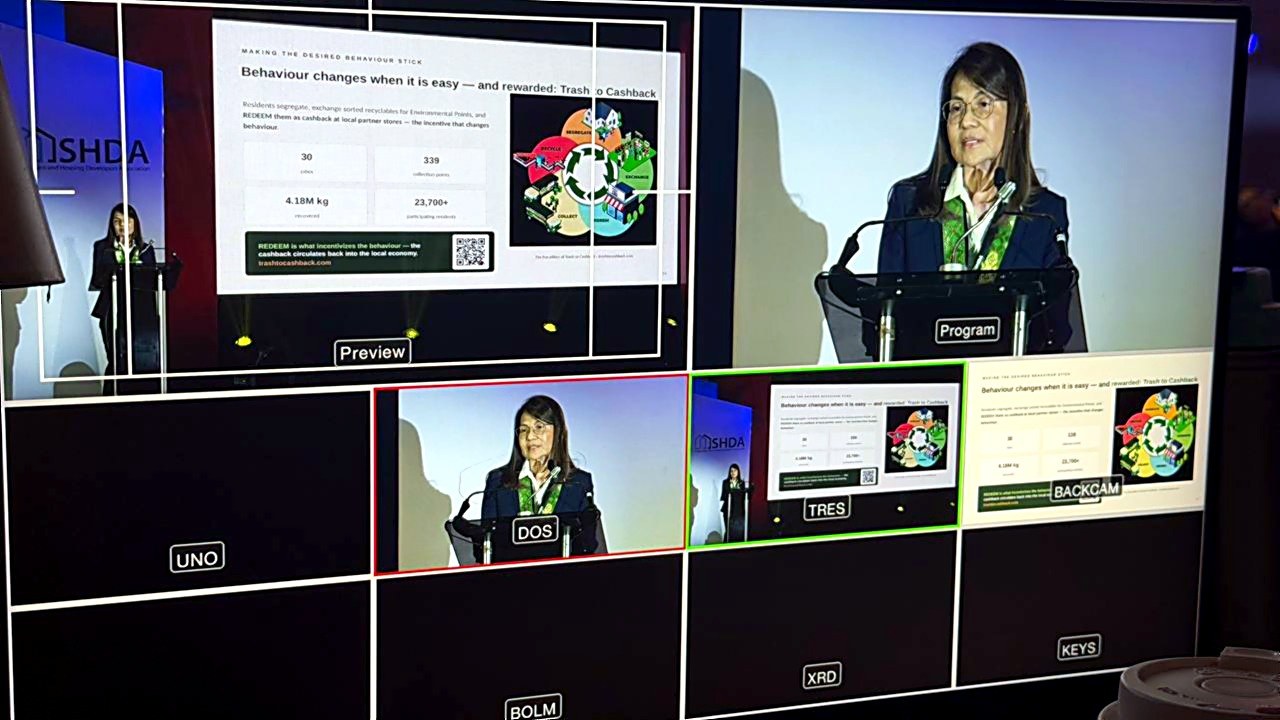
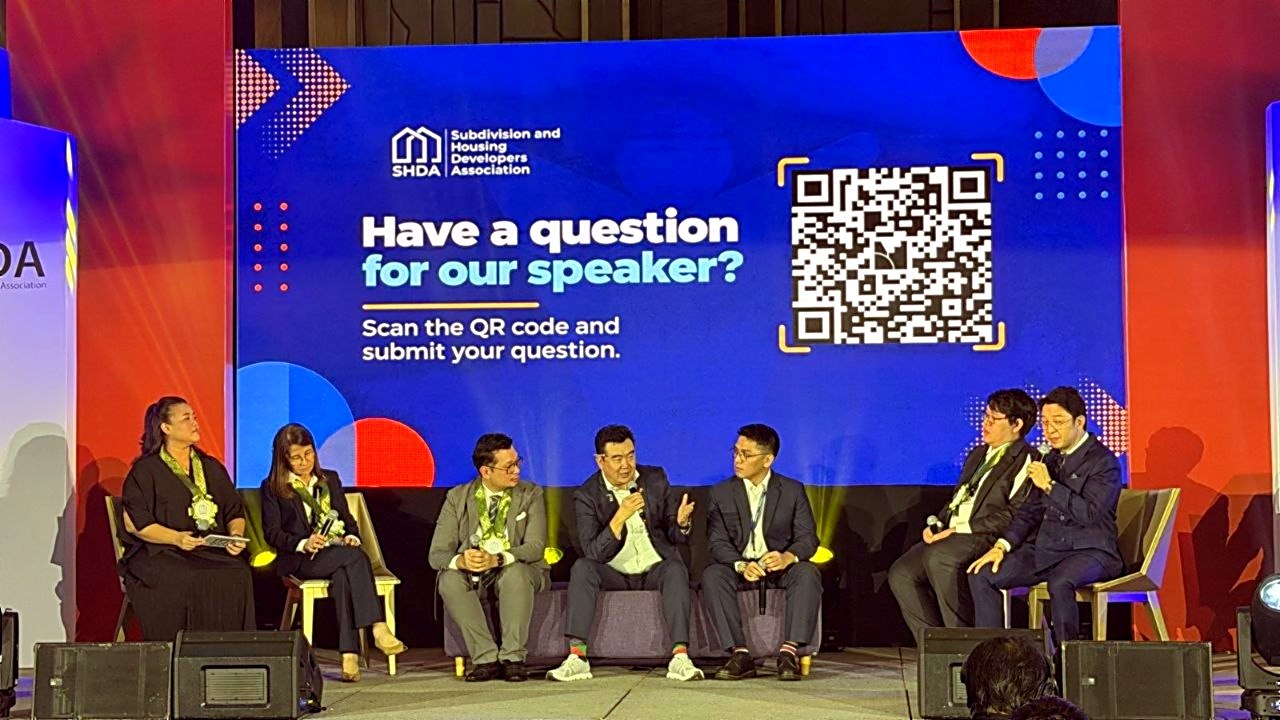
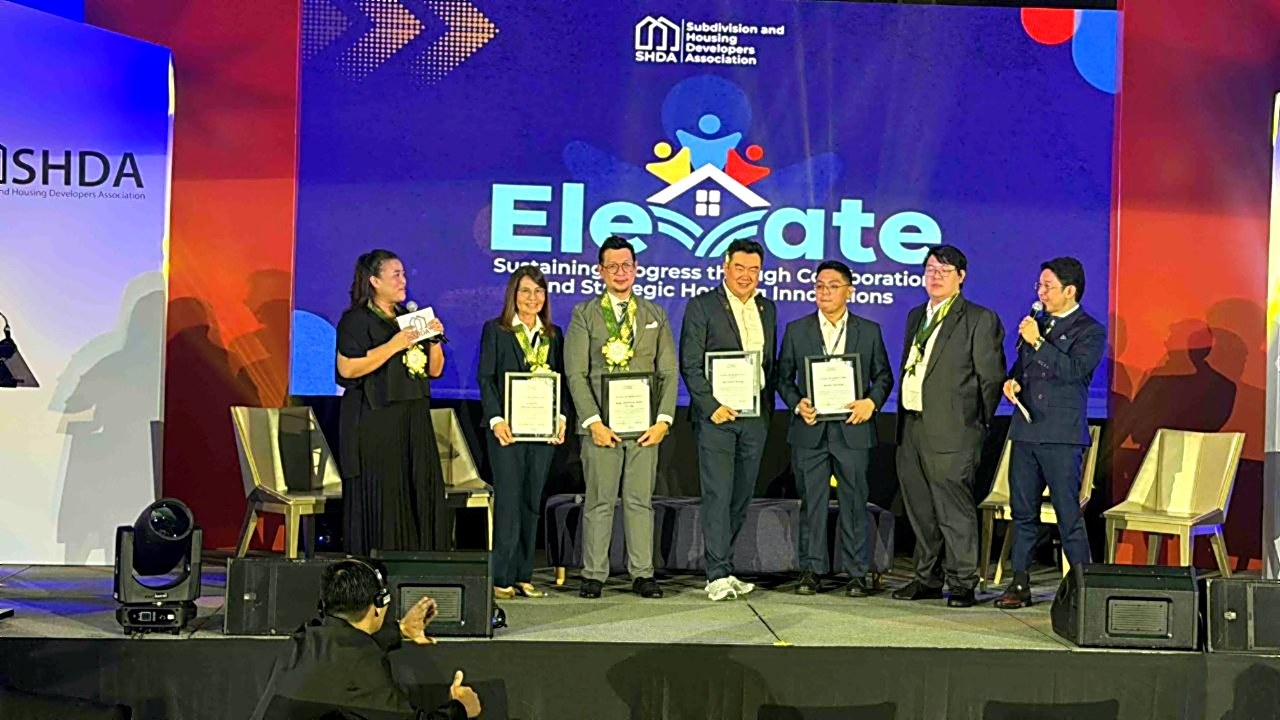
Broadcast monitors showing the Trash to Cashback five pillars slide during the address The speakers' panel taking questions after the session Speakers on the Elevate convention stage
One family of companies, one commitment

The companies behind the program — building communities, and standing behind their waste.

Trash to Cashback is not a startup experiment. It stands on four decades of the IPM family of companies — the builders of business districts, homes and highways, and the haulers of entire cities' waste — led by Ms. Isabelita "Eisa" Paredes Mercado.

IPM Holdings, Inc.
Listed holding company · PSE: IPM · holds 75% of BEST

A holding company in its own right, listed on the Philippine Stock Exchange under the ticker IPM. Among the companies it holds is 75% of BEST — the operator of Trash to Cashback — a quiet assurance that the program answers to the standards of a listed company.

Tap to view logo & projects ↗ Visit ipmholdings.com.ph →
Basic Environmental Systems & Technologies, Inc. (BEST)
Total Waste Solutions · operator of Trash to Cashback

Incorporated 15 September 1999. End-to-end waste management: collection, transport and disposal; landfill construction, operation and maintenance; materials recovery facilities; refuse-derived fuel; rehabilitation and closure of open dumpsites; public cleansing — alongside its community programs, Trash to Cashback and the My Basurero app.

"Saving the Environment, while Helping the Community — One Recyclable at a Time."
Tap to view logo & projects ↗ Visit best.com.ph →
IPM Construction and Development Corp.
Building Tomorrow, Today

From a modest hauler in the early 1980s to a construction leader: site development for the Ortigas Center, Rockwell Business Center and Bonifacio Global City; major highway works in Subic; and — with Pasig City and the MMDA — the country's largest refuse-derived fuel plant. PCAB Quadruple-A accredited, triple ISO certified.

Its waste-management division carries the solid-waste collection of the cities of Mandaluyong and Taguig — entire cities' waste, hauled every day.

Tap to view logo & projects ↗ Visit ipmconstruction.com →
Aeternum Columbary and Premium Park Estates
A place of serenity, by IPM Realty

At The Heritage Park in Fort Bonifacio, Taguig, Aeternum is a garden-themed columbary and premium estate — landscaped gardens, a lagoon with cascading waterfalls, an ecumenical chapel and quiet prayer areas. The same care the group brings to communities of the living, extended to remembrance.

Tap to view logo & projects ↗ Visit aeternumcolumbary.com →
IPM Realty and Development Corp.
Communities we build ourselves

Over two decades of residential development: Northfields Executive Village in Bulacan, Tagaytay Tropical Greens and Woodhills Residences in Tagaytay, Lee Gardens in Mandaluyong, Residential Parque — the very kind of communities the Waste-Smart model is designed for, built by the same family that manages their waste.

Tap to view logo & projects ↗ Visit ipmrealty.ph →

Group headquarters: Penthouse, Taipan Place, F. Ortigas Jr. Ave., Ortigas Center, Pasig City · +63 2 8424-2550 to 59

Be part of the ecosystem

There is a place in the loop for everyone.

Five pillars, and every one of them has room for you. Whoever you are, here is your door in — and the good news at the end: the hardest parts are already carried for you.

If you're a person or a family Sort at home, then exchange.

Pillars 1 and 2 are yours, and they fit inside an ordinary week: keep paper, plastic, metal and glass in their own bags, bring them to a collection point near you, and earn Environmental Points on the spot. That's it — you're an Eco-Warrior.

If you run a store or business Be where the reward happens.

Become a redemption partner — Eco-Warriors redeem their cashback in your store, which brings new customers through your door. Have space? You can also host a collection center at your site. Running a hotel or resort? Hotels already ride the group's rails — see PASUYO for Hotels on bxtra.ph. Connect your store through our bXTRA partner link →

If you lead a community, estate or LGU Bring us to your people.

A barangay, a subdivision, a condominium, a whole city — the program starts with one collection point and one schedule, and grows on results. Designing a new development? The Waste-Smart Housing Community framework below is yours to use.

Wondering about trucks and recyclers? Pillars 4 and 5 are on us.

You never have to arrange logistics — BEST's own fleet collects from every point, and we deliver the materials to recyclers ourselves. Collect and Recycle are our promise; that is what closes the loop and keeps everything upstream simple for you.
Program office: 614 M. Lerma St., Brgy. New Zaniga, Mandaluyong City · +63 917 146 6753 · info@trashtocashback.com
Corporate: Penthouse, Taipan Place, F. Ortigas Jr. Ave., Ortigas Center, Pasig City · +63 917 300 6547 · Mon–Fri, 8:30 AM–6:00 PM